Types of Roof Flashing and Where Each Is Used
People searching for roof flashing often want to ensure proper protection and leak prevention, and local contractors can help select and install the right types for each area of their roof.
Understanding the different types of roof flashing and where each is used can be a valuable step for property owners looking to protect their homes. Properly selected and installed flashing helps prevent water intrusion around vulnerable areas like chimneys, vents, and roof edges, which can be crucial for maintaining the integrity of a building’s structure. Property owners in the area often find that exploring this topic enhances their knowledge of roof systems and informs decisions when considering repairs or upgrades. Local contractors specializing in roof flashing can provide insights tailored to the specific needs of the local climate and architecture, ensuring that the right materials are used in the right places.
Continuing to learn about the various types of roof flashing and their applications can also help homeowners identify potential issues early and understand the importance of professional installation. Whether dealing with traditional metal flashing or newer materials, knowing where each type fits helps ensure effective water management and long-lasting results. Service providers in the area are equipped to handle the installation and repair of these flashing systems, offering expertise that can help protect a property from weather-related damage. Keeping informed about roof flashing options supports making well-informed choices to maintain the safety and durability of a home.
- Step flashing - needed around chimneys and roof intersections to prevent leaks, with local contractors ensuring proper installation to match roofing materials.
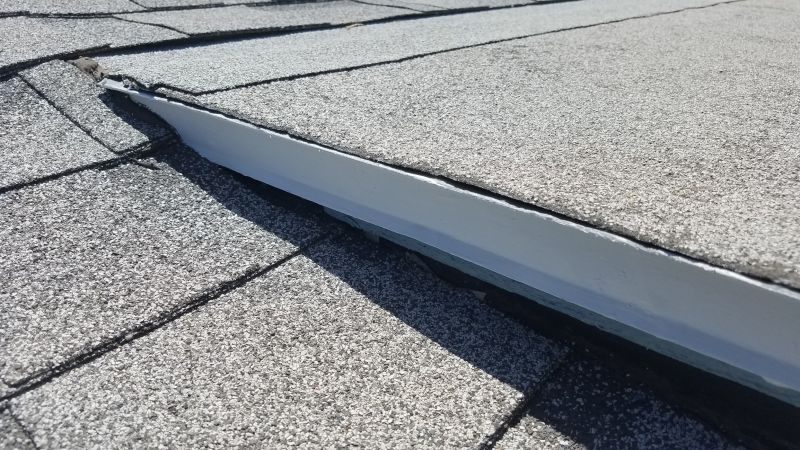
- Continuous flashing - used along roof edges and valleys to create a seamless barrier, with service providers customizing it for different roof styles.
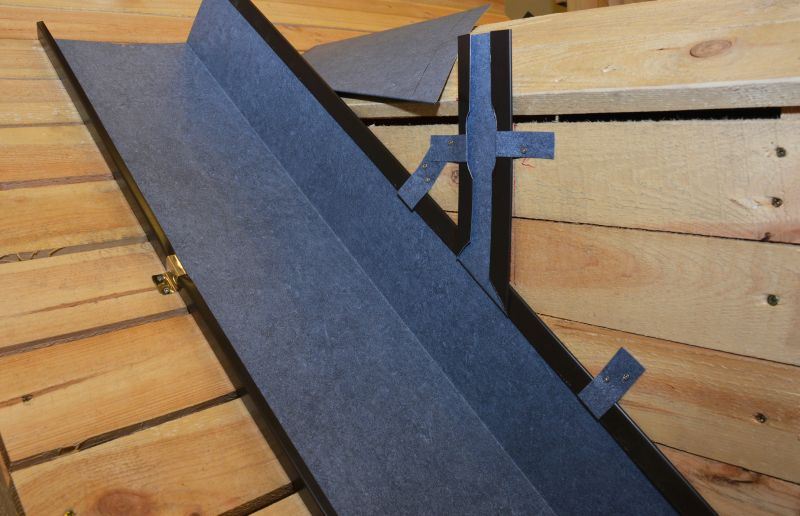
- Valley flashing - essential where roof planes meet in valleys, with local pros shaping and securing it to direct water flow effectively.
- Skirt flashing - installed along roof-to-wall junctions to protect vulnerable areas, with contractors tailoring the approach based on building design.
- Drip edge flashing - applied along roof eaves to guide water away from the roof edge, with local service providers ensuring proper alignment and sealing.


When homeowners search for information about types of roof flashing and where each is used, they often aim to understand how different flashing materials and designs can protect their properties from water intrusion. This topic is closely connected to projects involving roof repairs, replacements, or new installations, especially when addressing leaks or improving overall roof durability. Common problems that lead to interest in roof flashing include water leaks around chimneys, vents, skylights, or roof valleys, where water tends to collect or find pathways into the building. Planning for a roofing upgrade or addressing ongoing leaks often involves evaluating the types of flashing used in these vulnerable areas, making this a key consideration for property owners seeking long-term solutions.
The most frequently discussed types of roof flashing include step flashing, continuous (or apron) flashing, and specialized options like valley or kickout flashing. Step flashing is typically used where a roof intersects with a wall, such as at dormers or chimney chases, providing a layered barrier that directs water away from the junction. Continuous flashing is often installed along roof edges or over large sections like parapet walls, offering a seamless shield that minimizes potential leak points. Valley flashing is essential in the roof valleys where two slopes meet, guiding water efficiently down to the gutters. Each type has specific applications based on the roof’s design and the property's structure, and local contractors can help determine the most appropriate flashing for each area.
Property types that commonly require attention to roof flashing include residential homes, especially those with complex rooflines, as well as multi-family buildings and commercial properties with flat or low-sloped roofs. Homes with chimneys, skylights, or vent pipes often need specialized flashing to ensure these penetrations are sealed properly. Commercial buildings with flat roofs may rely heavily on continuous or membrane flashing systems to prevent leaks along large surface areas. In all cases, the choice of flashing influences the overall effectiveness of the roof’s waterproofing system. Local service providers can assess the specific needs of each property, recommending and installing the right flashing types to suit the roof’s design and ensure long-lasting protection.
Understanding the different types of roof flashing and where each is used helps homeowners make informed decisions about their roofing projects. Proper installation by experienced local contractors is crucial, as incorrect flashing placement or material choices can lead to leaks and costly repairs down the line. Whether addressing a small leak or planning a complete roof overhaul, knowing which flashing types are suitable for specific areas ensures the roof remains durable and weather-tight. Connecting with local pros can provide guidance tailored to the property’s unique features, ensuring the right flashing is selected and installed correctly to meet the demands of the roof’s design and the local climate.
Roof repair projects - tasks that often require understanding of flashing types to ensure proper sealing and waterproofing around roof penetrations and edges, handled by local contractors.
Gutter installation and maintenance - involves planning for flashing around roof intersections to prevent leaks and water damage, with local pros providing expertise.
Chimney and vent flashing installation - projects that demand precise fitting of flashing materials to protect against water infiltration at roof penetrations, performed by local service providers.
Skylight and roof window installation - requires specialized flashing techniques to ensure watertight seals, with local contractors experienced in these details.
Roof replacement and re-roofing - comprehensive projects where selecting appropriate flashing types is essential for long-term durability, handled by local roofing experts.
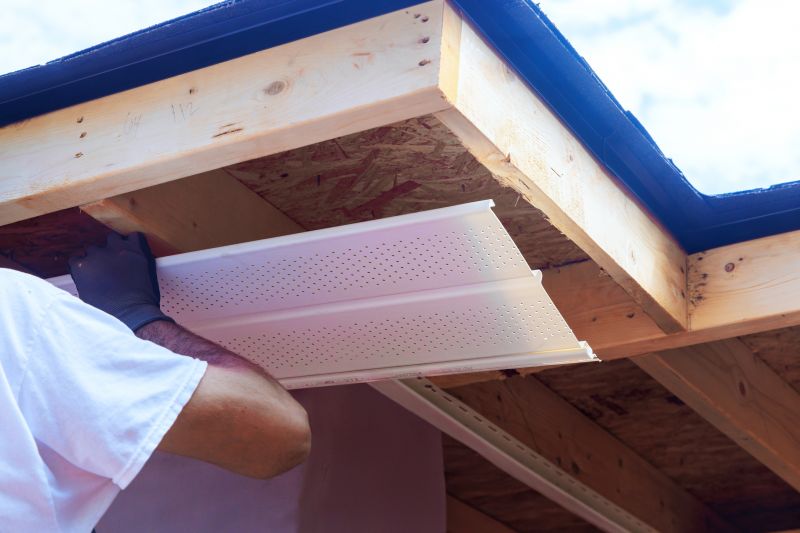
Siding and fascia installation - involves planning for flashing to create a seamless barrier against water intrusion along roof edges and wall junctions, with local pros managing the work.
When evaluating service providers for roof flashing, it is important to consider their experience with similar projects. Homeowners should inquire about the types of roof flashing they have installed and the specific applications they are familiar with, such as flashing around chimneys, vents, or roof valleys. Contractors with a proven track record handling these particular tasks are more likely to understand the nuances of different materials and installation techniques, ensuring that the flashing functions properly to prevent leaks and water damage.
Clear written expectations are essential when comparing local contractors for roof flashing services. Homeowners should seek detailed explanations of the scope of work, including the types of flashing materials to be used and where each will be installed. Having a transparent understanding of what the project entails helps ensure that both parties are aligned on the work to be performed, reducing the potential for misunderstandings or incomplete installations that could compromise the roof’s integrity.
Reputable references and effective communication are key factors in selecting the right service provider. Pros with positive references from past clients who had similar flashing needs demonstrate reliability and quality of work. Good communication ensures that homeowners can ask questions, receive timely updates, and clarify any concerns throughout the project. This open dialogue helps foster confidence that the contractor understands the importance of properly installing various types of roof flashing and where each is most appropriate, ultimately leading to a durable and well-sealed roof.
Property owners often search for types of roof flashing and where each is used when they are planning practical projects around their homes and businesses. Local pros provide Roof Flashing services for everyday jobs and straightforward project options.
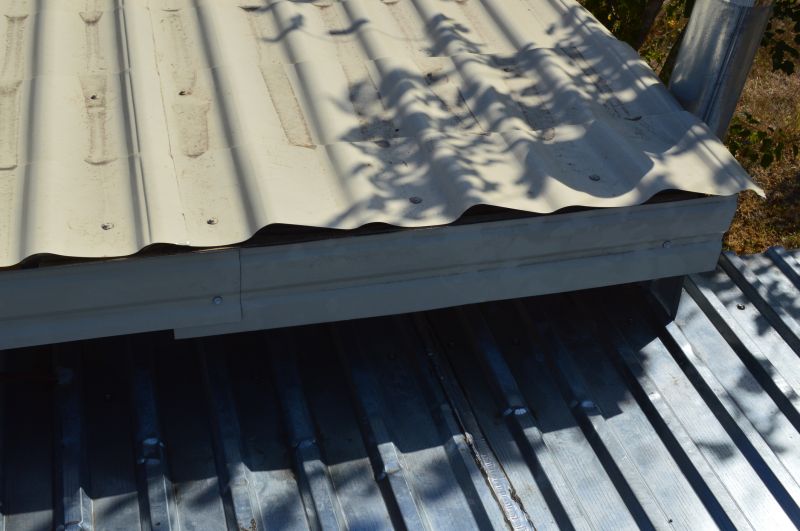
Understanding the different types of roof flashing and where each is used can help property owners make informed decisions during roof repairs or upgrades. Common types include step flashing, continuous or apron flashing, and valley flashing, each designed to protect specific areas of the roof such as joints, chimneys, or valleys where water runoff is concentrated. Homeowners often look up this information to better understand what their roof needs or to identify potential problem areas that might require professional attention from local contractors experienced in flashing installation and repair.
When it comes to choosing the right roof flashing for a particular project, local contractors can provide valuable expertise. They understand the unique requirements of various flashing types and can recommend solutions tailored to the specific features of a property. Whether installing new flashing around a chimney or repairing existing components, property owners can benefit from consulting experienced service providers who specialize in roof flashing services, ensuring proper installation and long-lasting protection for the roof.
What are the common types of roof flashing used in residential roofing? Common types include step flashing, continuous flashing, and valley flashing, each designed for specific areas of a roof to prevent water intrusion. Local contractors can recommend the best options based on the roof’s design and materials.
Where is step flashing typically used on a roof? Step flashing is usually installed along the sides of chimneys, walls, and where the roof meets vertical surfaces to direct water away from these joints. Local service providers can ensure proper installation for effective protection.
What type of flashing is suitable for roof valleys? Valley flashing, often made of metal, is used in roof valleys to channel water efficiently down the slope. Experienced local pros can install or repair valley flashing to prevent leaks in these high-risk areas.
When should continuous flashing be used instead of other types? Continuous flashing is ideal for areas like along the edges of roof penetrations or at the eaves, providing a seamless barrier against water. Local contractors can determine the best placement for this type of flashing.
Can different types of roof flashing be combined on a single roof? Yes, different types of roof flashing are often used together to address various vulnerable areas. Local roofing service providers can professionally install and integrate these flashing types for comprehensive protection.
Step flashing installation - property owners can plan to have step flashing installed around chimneys and walls to prevent leaks, with local contractors providing expert services.
Valley flashing placement - ensuring proper valley flashing in roof intersections helps direct water away from vulnerable areas, and local pros can handle the detailed installation.
Vent and pipe flashing - choosing the right type of flashing for roof vents and pipes can improve weather resistance, with local service providers ready to install or replace them.
Continuous flashing applications - property owners might consider continuous flashing along roof edges for a seamless barrier, with local contractors offering professional installation services.
If you are thinking about types of roof flashing and where each is used for a property, this guide is meant to help you understand this topic, the typical project types, and how different options might fit your plans.
When you are ready, you can use the quote form on this page to share a few details about your project. From there, local pros can review the basics and follow up with options that match what you have in mind.